

Every road, bridge, tunnel, and high-rise begins with heavy equipment. Excavators dig foundations, cranes lift steel, bulldozers clear ground, and pavers lay surfaces that will carry traffic for decades. Behind all of this sits a vast industry of construction machinery builders, dealers, and service providers. Choosing the right construction machinery manufacturer and a dependable construction machinery supplier affects project timelines, operating costs, and safety on site.
This guide explains what construction machinery includes, how equipment is sourced, and what to look for in a long-term partner.
What Is Construction Machinery?
Construction machinery covers the powered machines and attachments used to build, repair, and demolish structures and infrastructure. The category is broad and includes:
Earthmoving equipment – excavators, bulldozers, backhoes, loaders, and graders
Lifting equipment – cranes, boom trucks, and aerial work platforms
Road equipment – pavers, compactors, rollers, and asphalt plants
Concrete equipment – mixers, batching plants, pumps, and vibrators
Foundation equipment – pile drivers, drilling rigs, and diaphragm wall machines
Demolition equipment – breakers, crushers, and shears
Tunneling and mining equipment – TBMs, conveyors, and drilling jumbos
Heavy construction machinery is typically defined by size, power output, and duty cycle. A compact excavator used in landscaping is built very differently from a 90-ton mining excavator, even though both perform similar functions.
What a Construction Machinery Manufacturer Does
A construction machinery manufacturer designs, engineers, and produces these machines. The process usually involves:
Design and engineering. Structural analysis, hydraulic system design, and powertrain matching determine how the machine will perform under load. Reliability targets are set based on the intended application and market.
Prototyping and testing. Early units undergo fatigue testing, thermal testing, and field trials. This stage reveals weaknesses before mass production begins.
Component sourcing. Engines, hydraulics, transmissions, and electronics are often supplied by specialist vendors. The manufacturer integrates these into a complete machine.
Production and assembly. Fabrication, welding, painting, and final assembly take place in a construction machinery factory. Automation is increasing, but welding and assembly remain labor-intensive.
Quality control and certification. Machines are inspected and tested before shipment. Many manufacturers now offer construction machinery with CE certification for European markets, along with EPA, ISO, and other regional compliance.
After-sales support. Parts availability, dealer networks, and technical documentation are as important as the machine itself.
Understanding Construction Machinery Working Principle
The construction machinery working principle varies by machine type, but most heavy equipment relies on a combination of diesel power, hydraulics, and mechanical drive.
In a hydraulic excavator, for example, the engine drives a hydraulic pump. That pump pressurizes oil, which flows to cylinders and motors through control valves. The operator's joysticks send electrical or pilot signals to the valves, which direct flow to the boom, arm, bucket, and swing motors. The result is precise, powerful movement from a relatively compact power source.
In a bulldozer, the engine drives a torque converter and transmission, which turn the tracks. A separate hydraulic circuit raises and angles the blade. In a crane, hydraulic or mechanical systems control the boom, winch, and slewing mechanism, with load moment indicators preventing overload.
Understanding these principles helps operators work efficiently and helps technicians diagnose problems faster.
Construction Machinery Troubleshooting Basics
Downtime on a construction site is expensive. Basic construction machinery troubleshooting skills reduce it. Common issues and their likely causes include:
Loss of hydraulic power – low fluid level, clogged filter, worn pump, or relief valve failure
Overheating – blocked radiator, low coolant, faulty thermostat, or excessive load
Weak travel or swing – worn final drive, low pilot pressure, or contaminated oil
Excessive smoke – injector problems, air filter restriction, or turbo failure
Electrical faults – corroded connectors, damaged harnesses, or failed sensors
Track or tire wear – misalignment, incorrect tension, or operating on abrasive ground
A structured diagnostic approach—checking the simplest causes first, then using pressure gauges and diagnostic software—saves both time and parts. Regular maintenance schedules prevent many of these problems from occurring at all.
New, Used, and Rental Options
Buyers have three main ways to access construction machinery.
New equipment offers the latest technology, full warranty, and predictable operating costs. It requires the highest upfront investment.
Used construction machinery can be an economical choice for smaller firms or short-term projects. The key is inspection: hours, service history, undercarriage condition, hydraulic health, and structural integrity. Buying from a reputable dealer with documented maintenance reduces risk.
Construction machinery rental suits projects with fluctuating demand or short duration. Rental avoids capital outlay, maintenance responsibility, and storage costs. Many rental fleets now include telematics, so utilization and fuel use can be tracked in real time.
For many contractors, a mixed strategy works best: own the core fleet, rent peak-demand units, and buy used equipment for lower-utilization tasks.
Spare Parts and the Supply Chain
Construction machinery spare parts availability determines how quickly a machine returns to service. Critical categories include:
Hydraulic pumps, motors, and cylinders
Filters, seals, and hoses
Undercarriage components—tracks, rollers, idlers, sprockets
Ground engaging tools—bucket teeth, cutting edges, ripper tips
Engines, injectors, and turbochargers
Electrical components, sensors, and controllers
Counterfeit parts are a persistent problem. Buying from authorized dealers or verified suppliers protects both machine performance and warranty coverage.
On the trade side, construction machinery import export involves customs documentation, shipping permits, emissions compliance, and inspection. Exporters must confirm that the machine meets the destination country's regulations, particularly for engines and emissions.
Sourcing from Manufacturers and Suppliers
The global supply base for construction machinery is diverse.
A construction machinery manufacturer may build complete machines or specialize in a single category. A construction machinery supplier may be a dealer, distributor, or trading company handling multiple brands.
Many buyers now pursue OEM construction machinery manufacturer partnerships, where machines are built to a buyer's specification and branded accordingly. Others work with an ODM construction machinery supplier that offers existing platforms which can be customized. A custom construction machinery project might involve modified booms, extended undercarriages, specialized attachments, or application-specific hydraulics.
Factory direct purchasing often reduces cost, but it requires the buyer to manage quality control, logistics, and after-sales support independently. Dealers add margin but provide convenience, warranty service, and local parts stocking.
Key evaluation criteria include:
Proven reliability in similar applications
Parts availability and lead times
Dealer or service network coverage
Certification and compliance documentation
Training and technical support
Financing and warranty terms
Training and Operator Safety
Construction machinery training is essential, not optional. Modern equipment is powerful and complex, and unskilled operation leads to accidents, premature wear, and costly repairs.
Good training programs cover:
Pre-start inspections and daily checks
Safe operating procedures for each machine type
Load charts and stability limits
Attachment changing and rigging
Emergency shutdown and rescue procedures
Basic maintenance and fault reporting
Site communication and hand signals
Certification requirements vary by country and machine type. Many employers now require formal operator cards or licenses before allowing equipment use.
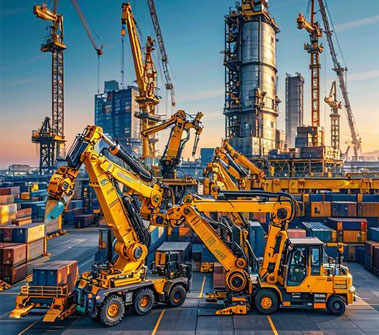 Construction Machinery Guide:
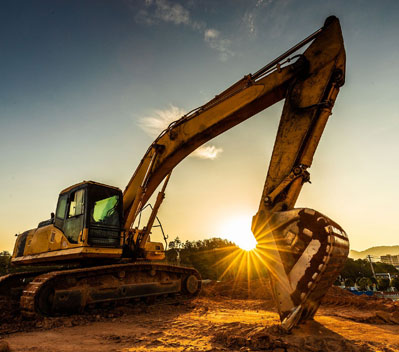 Construction Machinery Sourcin
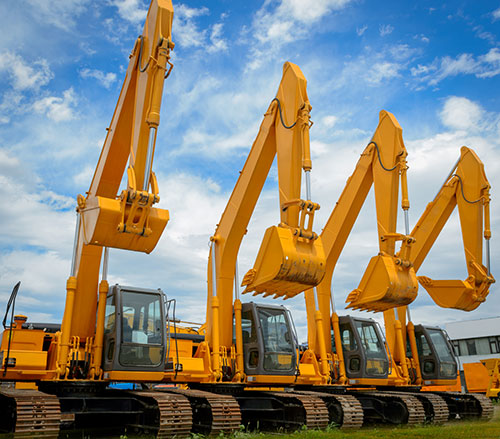 The Complete Guide to Construc
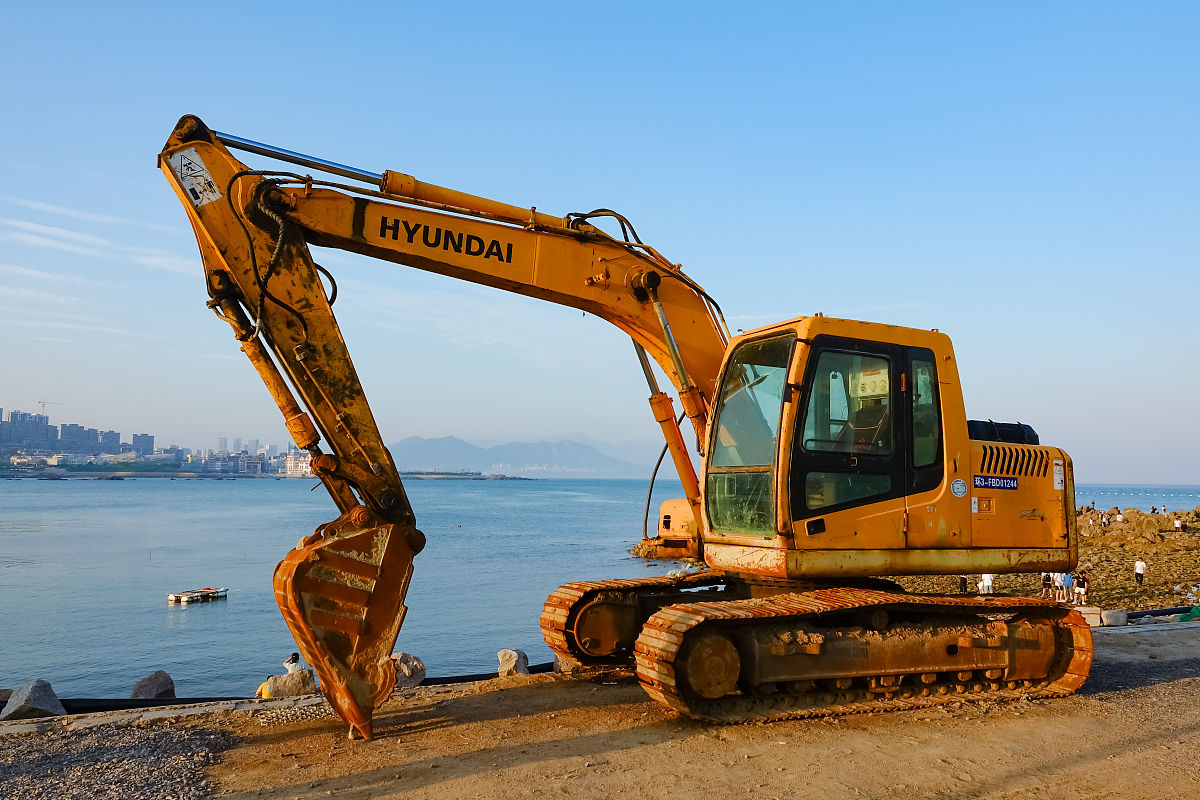 The Ultimate Guide to Construc