

The construction industry runs on power, precision, and performance—and at the heart of every successful project lies reliable construction machinery. Whether you are building highways, high-rises, or residential complexes, the machines you deploy determine your efficiency, safety, and bottom line.
However, with hundreds of brands, models, and specifications flooding the global market, procurement can become a daunting challenge. How do you separate durable equipment from disposable scrap? How do you ensure parts availability in remote job sites? And most importantly, how do you find a trustworthy construction machinery manufacturer and supplier who delivers value, not just a low price?
This guide answers all these questions. We will walk you through the key equipment categories, procurement best practices, and the critical advantages of sourcing directly from a construction machinery factory or wholesale partner.
What Is Construction Machinery?
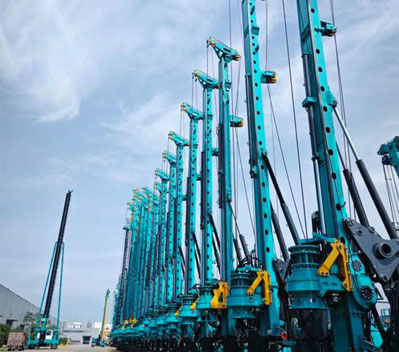
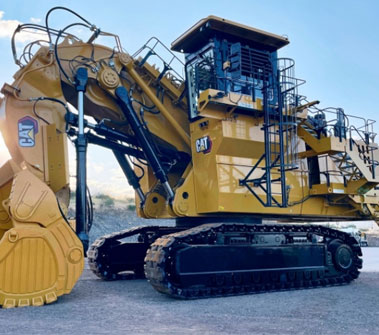
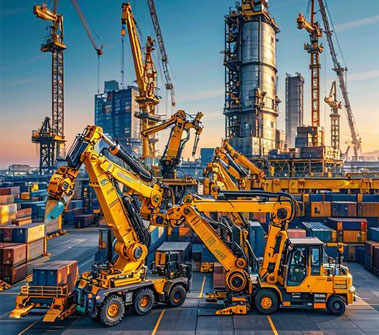
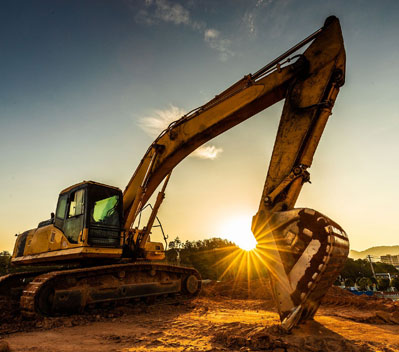
Construction machinery, also known as heavy equipment or earthmoving equipment, refers to a broad range of vehicles and tools designed specifically for construction tasks. This category includes excavators (both crawler and wheeled types), bulldozers, wheel loaders and skid steers, cranes (tower, mobile, and crawler variants), concrete equipment such as mixers, pumps, and batch plants, road construction machinery like graders, rollers, and pavers, as well as drilling and piling rigs. Each category serves a specific function, and the right combination of machines can significantly shorten project timelines and improve overall operational efficiency.
Why Equipment Quality Matters More Than Ever
In today's competitive bidding environment, profit margins are razor-thin. Unplanned downtime caused by machine failure is one of the biggest cost drivers in construction. A single day of downtime on a large infrastructure project can cost upwards of $50,000 in lost productivity and idle labor.
This is why partnering with a reputable construction machinery supplier is not just a procurement decision—it is a strategic business move. High-quality equipment delivers higher resale value in the second-hand market, lower fuel consumption per operating hour, extended maintenance intervals that reduce service costs, and better operator safety while complying with international standards.
Key Factors to Evaluate When Choosing a Construction Machinery Manufacturer
Not all manufacturers are created equal. When evaluating a potential construction machinery manufacturer, you should consider several critical dimensions.
First, examine production capacity and technology. Does the manufacturer operate modern assembly lines? Are they using robotic welding and CNC precision machining? Advanced production technology directly translates to tighter tolerances and longer machine service life.
Second, check certifications and compliance. Look for ISO 9001 quality management certification and ISO 14001 environmental management certification. Additionally, machines should meet regional emission standards such as EU Stage V or US EPA Tier 4.
Third, assess spare parts availability. A machine is only as valuable as its parts network. Ask the manufacturer about their global warehouse distribution. Can critical components—engines, hydraulic pumps, filters—reach your job site within 48 hours?
Fourth, evaluate warranty and after-sales support. Top-tier manufacturers offer comprehensive warranties, typically ranging from 12 to 24 months or 2,000 operating hours. They also provide remote diagnostics and on-site technician training.
Finally, do not overlook customer references and case studies. Never rely solely on glossy brochures. Request contact information for existing customers in your region and ask about their real-world experiences with breakdowns, fuel efficiency, and dealer responsiveness.
The Advantages of Sourcing from a Direct Construction Machinery Factory
Many procurement managers default to local dealers because they are convenient. However, sourcing directly from a construction machinery factory unlocks a range of significant benefits.
Cost savings are the most obvious advantage—eliminating distributor margins typically reduces unit costs by 10 to 20 percent. Beyond pricing, direct factory sourcing offers greater customization flexibility. Factories can often modify machine specifications, including bucket size, counterweight, and hydraulic flow, to match your specific site conditions. For large fleet operators, some factories even provide OEM branding services, allowing your company logo and custom color scheme to be applied directly to the equipment. Most importantly, factory-direct engagement gives you direct access to the engineers who actually designed the machines, not just sales representatives—this proves invaluable when troubleshooting complex technical issues.
The factory-direct model is especially advantageous for contractors managing large-scale infrastructure projects or government tenders.
Why Wholesale Procurement Makes Sense for Large Contractors
If you are managing a fleet of 20 or more machines, wholesale purchasing is the smartest route. A reliable construction machinery wholesale partner delivers multiple layers of value.
In terms of pricing, wholesale orders typically come with volume-based tiered discounts—for example, 5 or more units may qualify for a 10 percent price reduction, while 10 or more units can secure up to 15 percent off. On the logistics side, consolidated container shipping significantly reduces per-unit freight costs and inland transportation expenses. In production scheduling, wholesale clients often receive priority slotting during peak seasons, ensuring timely delivery. Wholesale procurement also generally comes with more flexible payment terms, such as 30 percent down payment with the balance due upon delivery, or letter of credit arrangements.
Wholesale is not just about saving money—it is about securing supply chain reliability and predictability for large-scale, multi-year projects spanning multiple job sites.
Construction Machinery vs. Construction Equipment: Is There a Difference?
You may have noticed that the terms "construction machinery" and "construction equipment" are often used interchangeably in everyday conversation, but there are subtle distinctions in industry practice.
In terms of scope, construction machinery typically refers specifically to motorized heavy vehicles such as excavators, loaders, and bulldozers. Construction equipment, by contrast, is a broader category that encompasses not only heavy machinery but also hand tools, scaffolding systems, formwork, and personal protective gear. Regarding power sources, construction machinery is predominantly diesel-hydraulic or electric-drive based, while construction equipment includes manual, pneumatic, and electrically powered tools across a wider spectrum. In terms of unit cost, construction machinery represents high-capital investments, with single units often priced in the hundreds of thousands of dollars, whereas equipment items like drills, saws, and compressors are relatively low-cost consumables.
This article focuses primarily on the heavy machinery segment, though a full-service construction equipment supplier should ideally cover both categories to provide one-stop procurement solutions for clients.
Emerging Trends in Construction Machinery
The industry is undergoing rapid and unprecedented transformation. Several major trends are shaping the future direction of construction machinery.
Electrification is sweeping across the sector. Battery-electric excavators and wheel loaders are entering the market, offering zero emissions, lower noise levels, and reduced operating costs—particularly in regions where electricity costs significantly undercut diesel prices.
Telematics and Internet of Things technologies are becoming increasingly widespread. Modern machines come equipped with GPS tracking, real-time fuel monitoring, and predictive maintenance alerts. These intelligent systems automatically notify the construction machinery manufacturer or dealer when a component is approaching failure, enabling early intervention and minimizing unplanned downtime.
Autonomous and remote-controlled operation is moving from concept to practical application. Semi-autonomous and remotely operated machines are being deployed in mining and hazardous environments, significantly enhancing operator safety.
Lightweight materials are also gaining traction. High-strength steel and advanced composite materials reduce machine weight without compromising structural integrity, directly improving fuel economy and transportation convenience.
How to Verify a Construction Machinery Supplier's Credibility
Before signing any purchase agreement, perform these due diligence steps on your prospective construction machinery supplier.
If possible, conduct an on-site factory visit. Inspect assembly lines, quality control checkpoints, and employee training records. A physical audit often reveals more than any document can convey.
Request third-party test reports covering structural strength validation, hydraulic system performance, and noise level measurements. A reliable supplier should be willing to share these documents openly.
Check their export history. A trustworthy supplier should have a proven track record of exporting to strictly regulated markets, including Europe, North America, and Australia—regions with the most demanding safety and environmental requirements.
Additionally, review online reputation. Browse industry forums, Google reviews, and B2B platform ratings on sites like Alibaba and Made-in-China for unfiltered customer feedback.
Maintenance Tips to Extend the Lifespan of Your Construction Machinery
Even the best equipment will fail prematurely without proper care. Follow these maintenance best practices to protect your investment.
Daily inspections are non-negotiable. Before each shift, check fluid levels, tire pressure, and track tension. These simple routine checks often catch potential problems early.
Adhere strictly to the manufacturer's scheduled service intervals for oil changes, filter replacements, and hydraulic fluid checks. Never skip or delay maintenance milestones just to meet tight project deadlines.
Operator training is equally critical. Well-trained operators are less likely to engage in bad habits such as over-revving engines or overloading buckets—practices that significantly accelerate wear and tear.
Maintain equipment cleanliness. Keep radiators and air filters free from dust accumulation to prevent overheating in hot or high-dust environments.
 Construction Machinery Trainin
 Construction Machinery in 2026
 Construction Machinery Guide:
 Construction Machinery Sourcin