

In the fast-paced world of infrastructure development and urban construction, the backbone of every successful project lies in the machines that move earth, lift materials, and shape skylines. From towering cranes to agile excavators, construction machinery determines not only the speed of your progress but also the safety and cost-efficiency of your operations.
However, navigating the global market for heavy equipment can be daunting. Should you buy new or used? Which brand offers the best after-sales support? This guide will walk you through the essential considerations when sourcing construction equipment, with a special focus on quality assurance, supply chain reliability, and long-term maintenance strategies.
1. The Evolving Landscape of Construction Machinery
The days of purely mechanical bulldozers and steamrollers are long gone. Today's construction machinery is a marvel of hydraulics, electronics, and telematics. Modern machines are equipped with GPS-guided control systems, real-time fuel consumption monitors, and predictive diagnostic tools that alert operators to potential failures before they occur.
When evaluating different types of construction equipment, it is crucial to match the machine's specifications to your specific project demands. Key categories include:
Earthmoving Equipment: Excavators, bulldozers, and loaders for digging and grading.
Material Handling: Cranes, forklifts, and telescopic handlers.
Road Construction: Pavers, rollers, and graders.
Concrete Equipment: Mixers, pumps, and batching plants.
Each of these categories requires a unique set of technical specifications, and choosing the right one is the first step toward project success.
2. The Manufacturer's Edge: Why Origin Matters
The difference between a dependable machine and a recurring headache often comes down to its origin. A reputable construction machinery manufacturer distinguishes itself through rigorous engineering standards, advanced production facilities, and decades of field expertise.
Why should this matter to you?
Quality Assurance: Established manufacturers adhere to international standards such as ISO and CE, ensuring that every component meets strict durability and safety benchmarks.
Technological Innovation: Top-tier manufacturers invest heavily in R&D, offering features like fuel-saving modes, reduced emission engines, and enhanced operator comfort.
Resale Value: Equipment from recognized brands retains higher resale value, offering a better return on investment when it's time to upgrade your fleet.
When evaluating a construction machinery manufacturer, do not hesitate to request factory audits, client references, and third-party quality certifications. A transparent manufacturer will provide these willingly.
3. New vs. Used: Making the Right Call
For many project managers, budget constraints make the used equipment market highly attractive. While used construction machinery can offer significant upfront savings, it comes with increased risk if not properly vetted.
When buying new:
You receive full warranty coverage and the latest technology.
Maintenance costs are predictable in the early years.
You benefit from optimal fuel efficiency and emissions compliance.
When buying used:
Ensure the machine's service history, hour meter, and maintenance records are thoroughly inspected.
Always request a third-party inspection report to verify the actual condition of the engine, hydraulics, and undercarriage.
Factor in the potential costs of immediate repairs or part replacements.
Striking the right balance between cost and reliability is key. For critical, high-utilization roles, new equipment often proves more economical in the long run.
4. The Lifeline of Your Fleet: Spare Parts and Maintenance
Perhaps the most overlooked factor in equipment procurement is the availability of after-sales support. Even the most robust construction equipment will eventually require repairs and replacement parts. This is where the accessibility of genuine construction machinery spare parts becomes a make-or-break issue.
Downtime is the silent killer of construction profitability. When a hydraulic pump fails or an engine control module malfunctions, every hour of idle time translates to lost revenue. Consider these points:
Local Stocking: Does your chosen supplier keep critical construction machinery spare parts in local warehouses, or do you have to wait weeks for international shipping?
Genuine vs. Aftermarket: Genuine parts guarantee fit, performance, and longevity, whereas low-cost aftermarket alternatives may void warranties or cause secondary damage.
Predictive Maintenance: Work with a manufacturer that offers remote diagnostic services, allowing you to order parts before the breakdown occurs.
A reliable construction machinery manufacturer will have a robust supply chain for spare parts, ensuring that your fleet spends more time working and less time waiting.
5. The Wholesale Advantage: Fleet Procurement Strategies
For large-scale contractors managing dozens of machines, individual purchasing is inefficient. Engaging a construction machinery manufacturer or specialized dealer for construction machinery wholesale agreements can unlock significant benefits:
Volume Discounts: Lower per-unit pricing on bulk orders.
Customized Specifications: Manufacturers are more willing to adjust machine configurations (e.g., bucket sizes, cabin features) for large orders.
Priority Support: Wholesale clients often receive dedicated account managers and faster response times for both technical support and parts availability.
6. How to Choose Your Construction Machinery Partner
With so many options in the global market, use this comprehensive checklist to select a trustworthy partner:
Product Range: Does the manufacturer offer a full spectrum of construction equipment to cover your diverse project needs?
After-Sales Network: Are there authorized service centers near your project sites?
Parts Availability: Can they guarantee availability of construction machinery spare parts for at least 10 years after model discontinuation?
Financing Options: Do they offer flexible payment plans or leasing arrangements?
Training and Support: Do they provide operator training and on-site technical assistance?
Sustainability: Are their machines compliant with the latest emission regulations (e.g., EU Stage V, China IV)?
7. The Future: Electrification and Automation
The construction industry is on the cusp of a technological revolution. Leading construction machinery manufacturers are now developing electric excavators, autonomous haulers, and remote-controlled dozers. These innovations promise:
Zero emissions for indoor or urban construction sites.
Reduced noise pollution allowing for night-time operations.
Enhanced safety by removing operators from hazardous zones.
Investing in a forward-thinking construction machinery manufacturer today ensures that your fleet remains competitive as these technologies become the new industry standard.
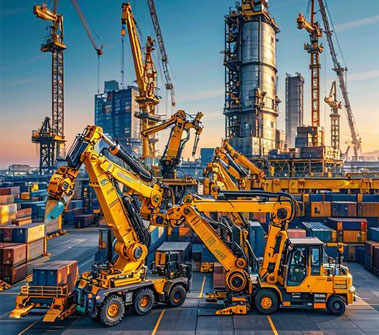 Construction Machinery Guide:
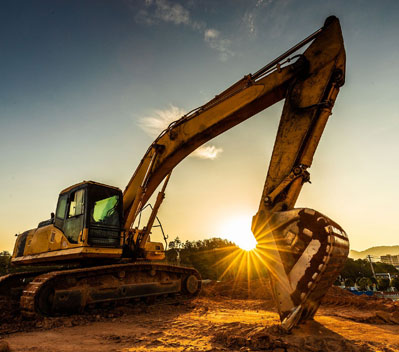 Construction Machinery Sourcin
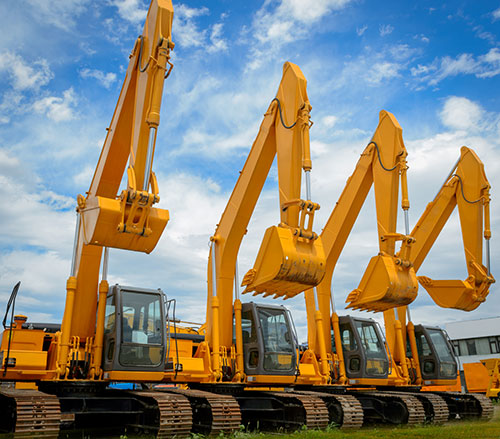 The Complete Guide to Construc
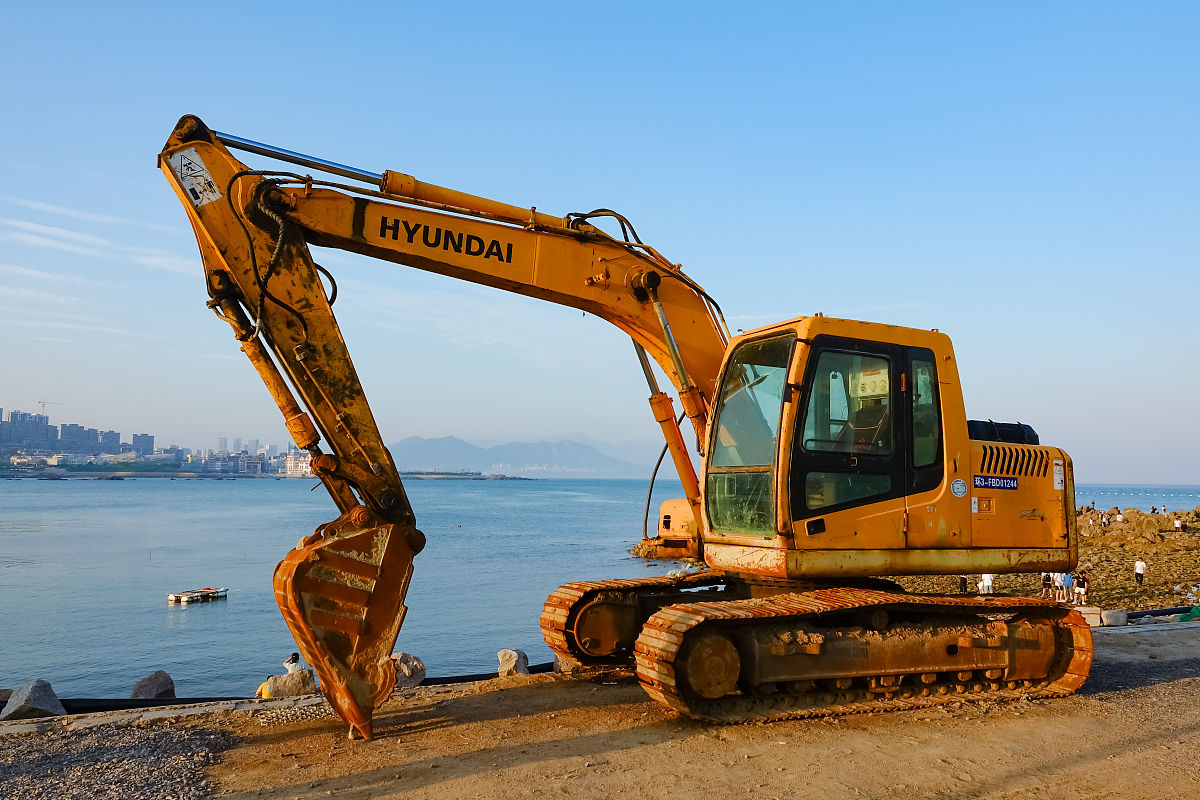 The Ultimate Guide to Construc